Why are Music Boxes Used in Horror? Unveiling the Chilling Melodies
Jan 11,2025 | uFunSpace
In the realm of horror, certain objects possess an uncanny ability to send shivers down our spines. Among these, music boxes stand out as a recurring and iconic symbol of dread. From the creaking opening of a dusty antique box to the haunting, off - key notes that emanate from within, music boxes have become synonymous with terror in movies, literature, and other forms of media. But why are music boxes so commonly used in horror? And how do the different styles of music boxes contribute to the overall sense of unease?
The Power of Childhood Memories and Innocence
One of the primary reasons music boxes are effective in horror is their connection to childhood and innocence. Music boxes are often given as gifts to children, associated with nursery rhymes, fairytales, and happy memories. This initial positive connotation creates a stark contrast when the music box is used in a horror context. When a familiar, sweet - sounding tune from a music box is played in a dark, abandoned house or during a suspenseful moment, it subverts our expectations. The innocence and joy we associate with the music box are replaced with a sense of foreboding and unease. It's as if the purity of childhood has been corrupted, and this contrast between the expected and the unexpected is a powerful tool in horror storytelling.
For example, in the classic horror film “The Orphanage,” a music box plays a crucial role in building tension. The music box, with its delicate design and a tune that should evoke feelings of nostalgia, instead becomes a harbinger of doom. As the story progresses, the music box's melody is heard at key moments, each time heightening the sense of dread and anticipation. The juxtaposition of the music box's innocent origins with the terrifying events unfolding around it makes it a particularly effective horror element.
The Eerie Sound of Music Boxes
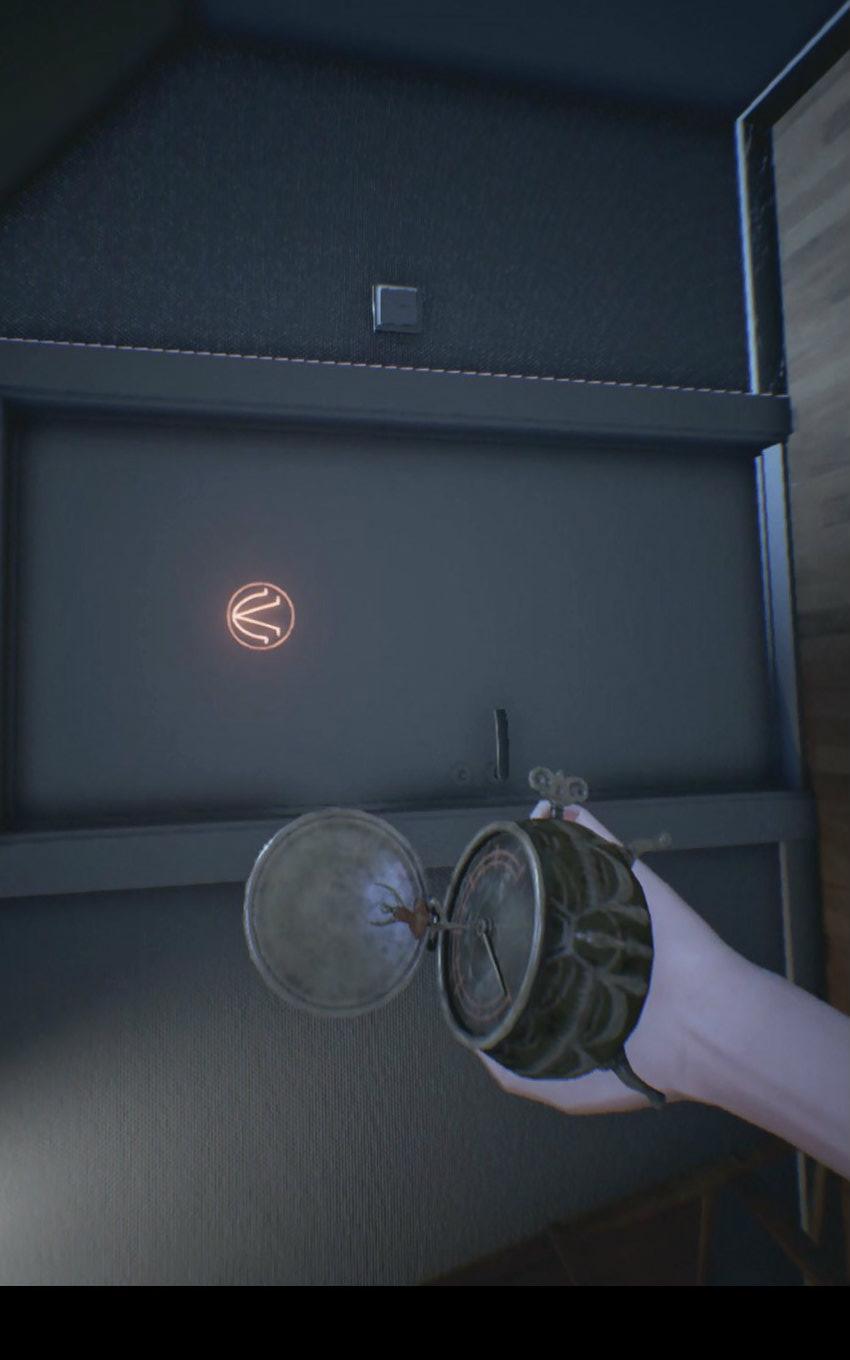
The sound of a music box itself is inherently unsettling. Unlike a recorded or live musical performance, music boxes produce a mechanical, tinny sound. The gears and springs inside the box create a slightly off - key, repetitive melody that can grate on the nerves. The irregularities in the sound, such as the occasional skipping of a note or the slow winding down of the tune, add to the sense of unease.
This mechanical sound also gives music boxes an otherworldly quality. It doesn't sound like something created by a human voice or a traditional musical instrument. Instead, it has an almost robotic, inanimate quality, as if the box is a self - contained entity with its own malevolent will. When this sound is heard in the silence of a dark room or during a moment of tension, it can create a sense of isolation and helplessness.
Different Styles of Music Boxes and Their Horror Potential
Traditional Hand - Cranked Music Boxes
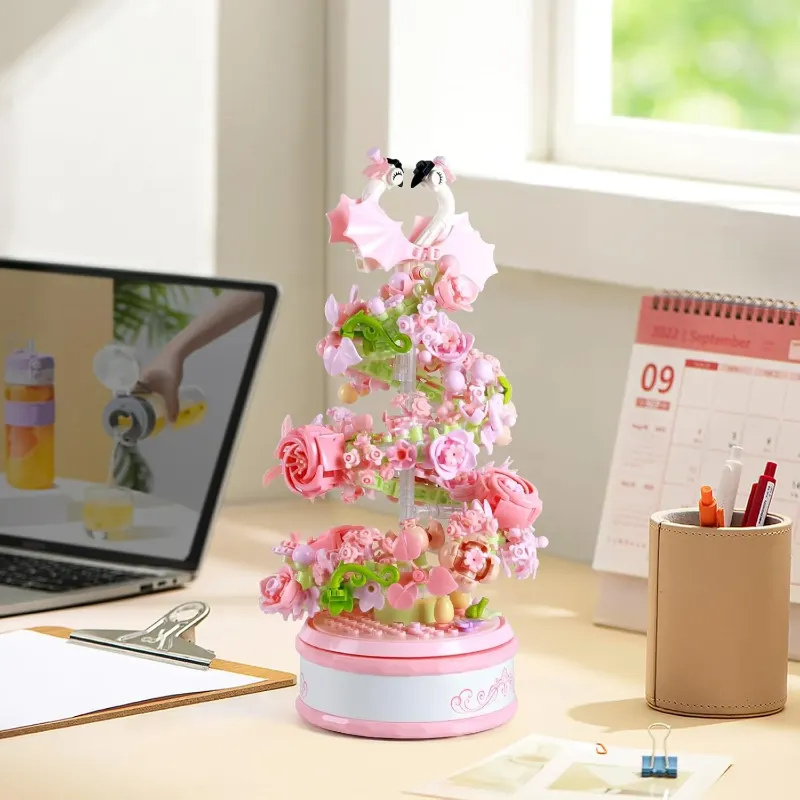
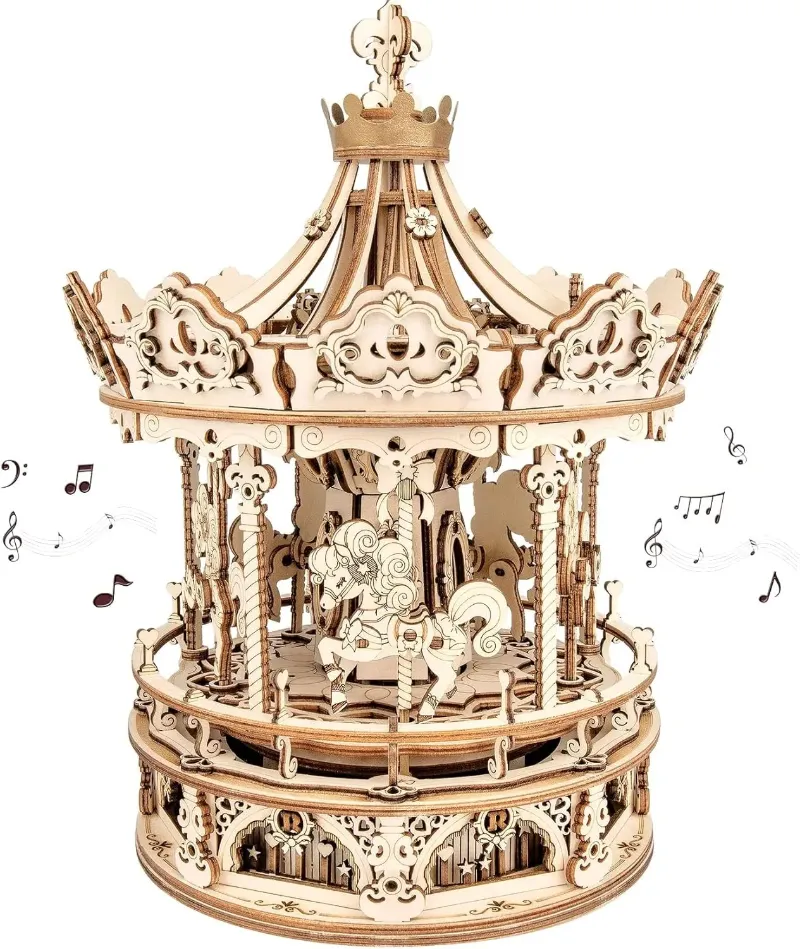
Traditional hand - cranked music boxes are perhaps the most iconic in horror. These boxes often feature ornate, antique - looking designs, with intricate carvings and a small crank on the side. The act of winding the crank itself can be a suspenseful moment in a horror scene. As the character turns the crank, the audience anticipates the start of the music, and the slow build - up of tension can be palpable.
The melodies played by these music boxes are usually well - known nursery rhymes or simple, sweet tunes. However, the slow, mechanical nature of the music box's playback can transform these innocent melodies into something sinister. For instance, “Pop Goes the Weasel,” a cheerful children's song, takes on a completely different tone when played on a creaky, old music box in a dimly lit attic. The repetition of the tune, combined with the music box's unique sound, can create a sense of endless, inescapable horror.
Automaton Music Boxes
Automaton music boxes are a more elaborate and often more disturbing style. These music boxes come with moving figures or “automata” that perform a small show as the music plays. The automata can range from delicate ballerinas twirling in a tiny stage to more grotesque figures, such as skeletons or demonic creatures.
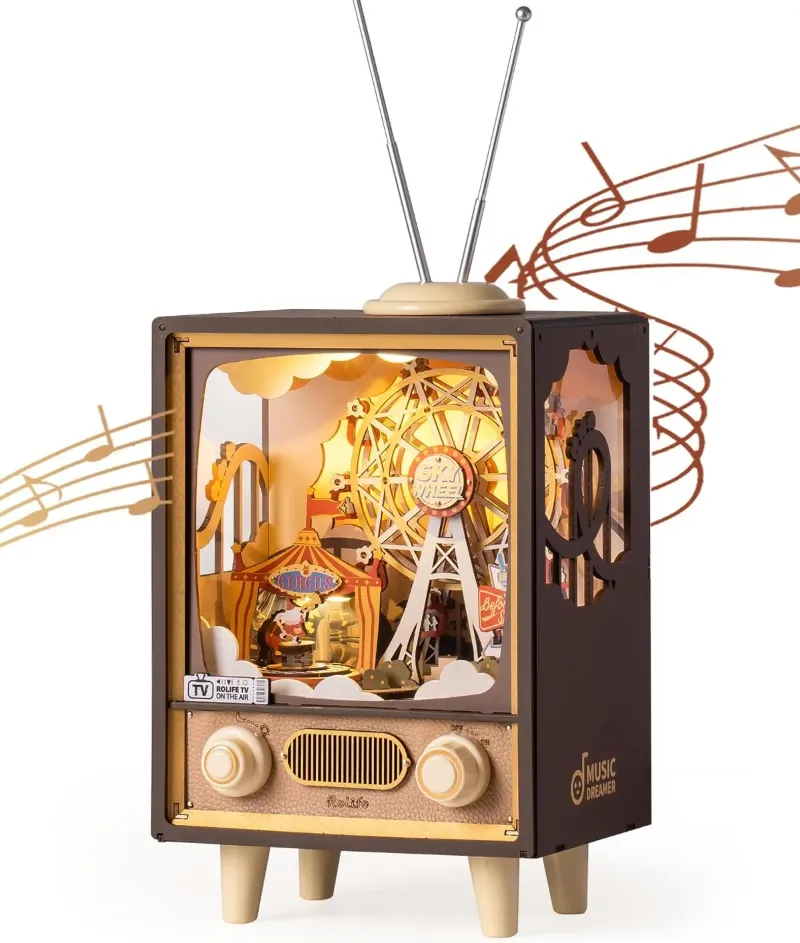
In horror, the movement of the automata adds an extra layer of creepiness. There's something unsettling about inanimate objects coming to life, especially when they have a macabre appearance. The combination of the mechanical music and the eerie movements of the automata can create a truly nightmarish scene. In some horror stories, the automata in a music box are said to be possessed or controlled by an evil force, further enhancing the sense of dread.
Modern - Electronic Music Boxes
With the advancement of technology, modern - electronic music boxes have emerged. These music boxes can play a wider range of tunes and often have more advanced features, such as adjustable volume and tempo. In horror, electronic music boxes can be used to create a more contemporary and high - tech sense of unease.
For example, an electronic music box might be programmed to play a disturbing, original composition that builds in intensity. The smooth, almost synthetic sound of the electronic music box can be just as unsettling as the mechanical sound of traditional boxes, but in a different way. It can represent the intrusion of modernity into a horror scenario, adding a new dimension to the fear. Additionally, electronic music boxes can be integrated with other technological elements, such as sensors that trigger the music when someone enters a room, creating a more interactive and terrifying experience.

Broken and Malfunctioning Music Boxes
A particularly effective sub - category within the world of horror music boxes is the broken or malfunctioning music box. These boxes no longer play their tunes smoothly. Instead, they might produce distorted, garbled sounds, or the music might start and stop erratically.
The broken music box represents imperfection and decay. It can symbolize the breakdown of order and the descent into chaos. When a character stumbles upon a broken music box in a horror story, it's often a sign that something is very wrong in their environment. The intermittent, screeching notes of a broken music box can be more terrifying than a perfectly played melody, as it suggests that the source of the sound is damaged and unpredictable, much like the horror that lurks in the story.
Cultural and Historical Significance
Music boxes also carry cultural and historical significance that contributes to their use in horror. Throughout history, music boxes have been associated with mourning and death in some cultures. In Victorian times, for example, music boxes were sometimes used at funerals or in mourning rituals. This connection to death and the afterlife gives music boxes an added layer of spookiness.
In addition, the idea of a music box as a container for a trapped or malevolent spirit has become a common trope in horror. There are many legends and stories from different cultures about objects, including music boxes, being possessed by evil forces. These cultural beliefs and stories provide a rich source of inspiration for horror creators, allowing them to tap into deep - seated fears and superstitions.
Conclusion
In conclusion, music boxes are used in horror for a variety of reasons. Their connection to childhood innocence, the eerie nature of their sound, and the different styles that can be manipulated to create horror all play important roles. Whether it's the traditional hand - cranked box with its nostalgic yet menacing melody, the automaton music box with its creepy moving figures, the modern - electronic box with its high - tech unease, or the broken box that symbolizes decay, music boxes have proven to be a versatile and effective horror device.
As long as there are stories to be told and fears to be explored, music boxes will likely continue to haunt our nightmares and add an extra layer of terror to the world of horror. So, the next time you hear the faint, tinkling sound of a music box in a dark corner, be prepared for a chill to run down your spine - you never know what horrors might be lurking behind that innocent - sounding melody.
Comment