The Ultimate Guide to Materials for Miniature Model Making
Jan 04,2025 | uFunSpace
Miniature models captivate enthusiasts across various fields, from collectors and decorators to filmmakers. These tiny replicas serve as treasured collectibles, charming decor pieces, and essential tools in movie production.
The secret to creating stunning miniature models lies in selecting the right materials. Each material offers unique properties that affect the model's appearance, durability, and level of detail. In this guide, we’ll explore the best materials for miniature model making, their advantages, and their ideal applications.
1. Plastic – The Versatile Choice
1.1 Types of Plastic
-
Polystyrene (PS): Lightweight, rigid, and easy to mold, making it perfect for detailed parts like miniature car engines or architectural elements.
-
Acrylonitrile Butadiene Styrene (ABS): Durable and impact-resistant, ideal for frequently handled models like action figures or toy vehicles.
1.2 Why Use Plastic?
-
Easy to Shape: Can be cut, melted, or molded into any form.
-
Affordable: Cost-effective for hobbyists and mass production.
-
Vibrant Colors: Available in a wide range of hues, reducing the need for extensive painting.
Best For: Beginners, budget-friendly projects, and mass-produced models.
2. Resin – High-Detail Masterpieces
2.1 Why Resin Stands Out
-
Exceptional Hardness: Holds fine details without warping.
-
Superior Detail Reproduction: Captures intricate textures better than plastic.
2.2 Where Resin Excels
-
Artistic Miniatures: Delicate sculptures and lifelike landscapes.
-
Collector’s Items: Highly detailed figurines, such as fantasy characters or luxury car replicas.
Best For: Professional modelers and limited-edition collectibles.
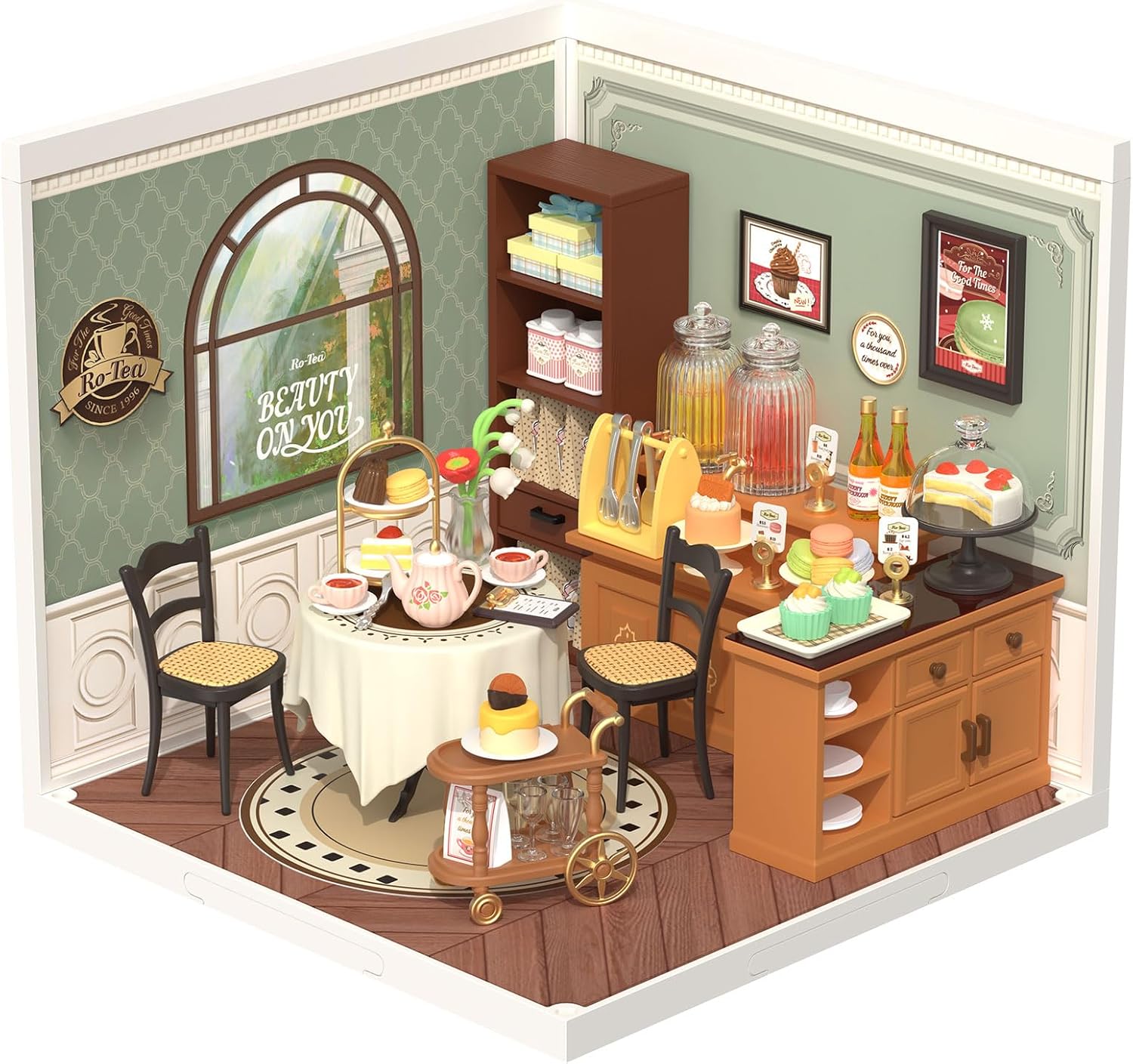
3. Metal – Strength and Realism
3.1 Popular Metals in Model Making
-
Zinc Alloy: Used in die-cast models for precision and durability.
-
Aluminum Alloy: Lightweight yet strong, perfect for aircraft and mechanical models.
3.2 Advantages of Metal Models
-
Premium Texture: Smooth, polished finish for a high-end look.
-
Long-Lasting: Resistant to wear and tear, ideal for display pieces.
Best For: Collectors seeking durable, realistic models.
4. Wood – Natural and Warm
4.1 Best Wood Types
-
Balsa Wood: Soft and lightweight, great for beginners.
-
Basswood (Linden Wood): Fine-grained, ideal for detailed carvings.
4.2 Wooden Miniature Applications
-
Historical Scenes: Rustic houses, medieval villages.
-
Nature Dioramas: Log cabins, forest landscapes.
Best For: Handcrafted, rustic-style models.
5. Clay – The Sculptor’s Favorite
5.1 Types of Clay
-
Polymer Clay: Oven-baked, retains fine details.
-
Ultra-Light Clay: Air-dries, perfect for delicate textures.
5.2 Hand-Sculpting Benefits
-
Customizable: Easily shaped into animals, figures, and accessories.
-
Artistic Freedom: Allows for unique, one-of-a-kind designs.
Best For: Artists and hobbyists who enjoy hands-on crafting.
6. Essential Auxiliary Materials
6.1 Adhesives
-
Instant Glue (Cyanoacrylate): Quick bonding for plastic models.
-
Epoxy Resin: Strong, durable hold for metal and heavy parts.
6.2 Paints & Finishes
-
Acrylic Paints: Easy to use, water-soluble.
-
Enamel & Lacquer Paints: High-gloss, long-lasting finish.
-
Protective Varnishes: Prevent scratches and fading.
Best For: Adding realism and durability to any model.
Choosing the right material is key to successful miniature model making. Whether you prioritize affordability (plastic), detail (resin), durability (metal), natural aesthetics (wood), or sculpting flexibility (clay), each material offers unique benefits.
By understanding these options, you can select the best materials for your project and bring your miniature creations to life. Start experimenting today and unlock endless possibilities in the world of miniature modeling!
Comment