Does Lego use robots?
Jan 20,2025 | FunSpace
The world of Lego has long been associated with creativity, imagination, and hands - on building experiences for people of all ages. But as technology continues to advance, a question that has piqued the curiosity of many is whether Lego, the iconic toy company, makes use of robots in its operations.
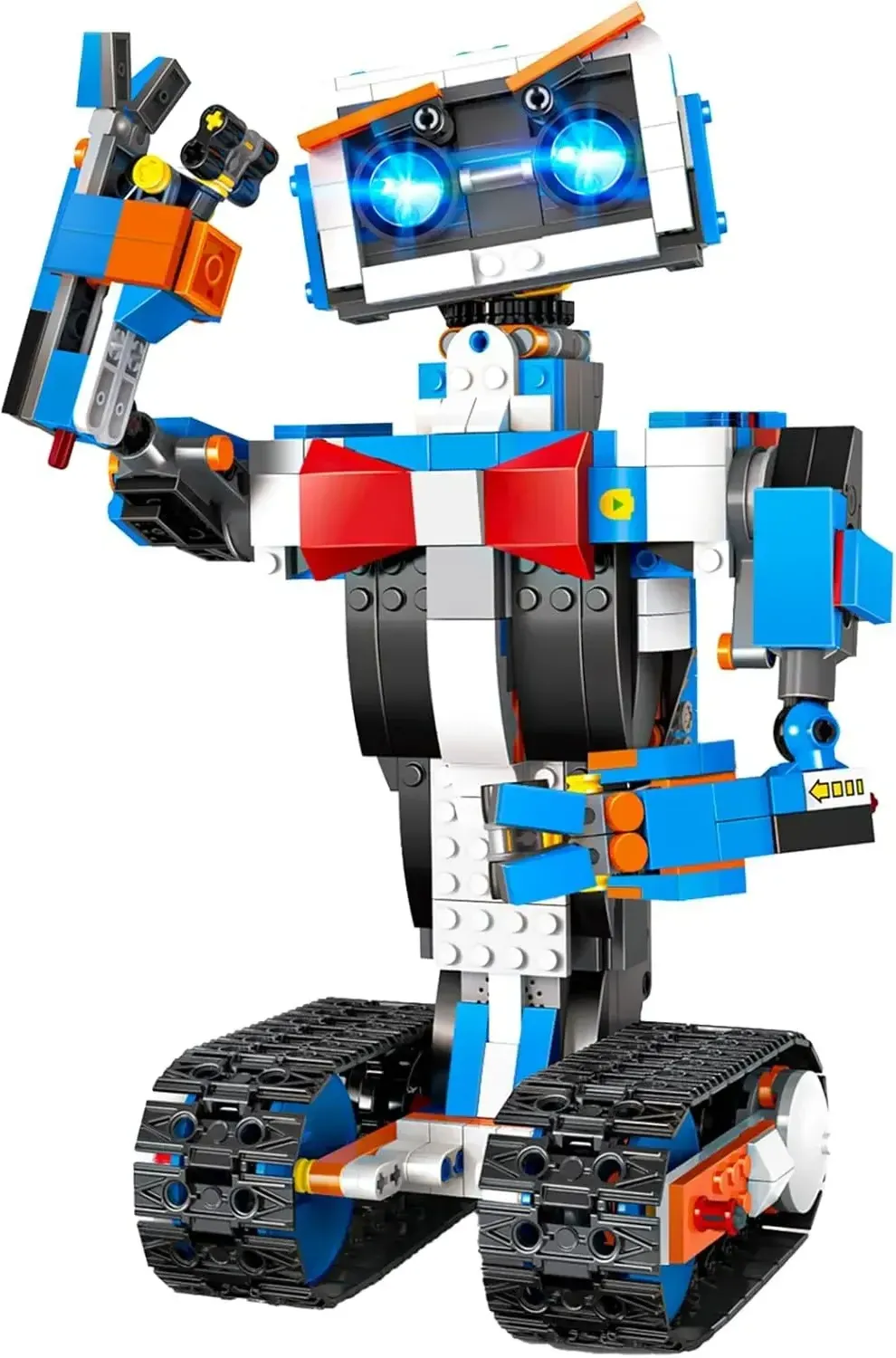
1. Robots in Lego Manufacturing
Lego's manufacturing process is a highly complex and precise operation. To meet the global demand for its countless bricks, plates, and minifigures, the company has indeed embraced robotics. In their factories, robots play a crucial role in the production line. For instance, robotic arms are used to precisely mold the plastic materials into the characteristic Lego shapes. These robots can work with extreme accuracy, ensuring that each Lego piece meets the high - quality standards that Lego is known for. They can produce bricks with consistent dimensions, so that every piece fits perfectly with others, whether it's a basic 2x4 brick or a more specialized, intricate piece.
.jpeg?w=640&h=480)
2. Quality Control and Inspection by Robots
Quality control is of utmost importance for Lego. Here again, robots prove invaluable. Specialized robotic systems equipped with advanced sensors and cameras are used to inspect each Lego piece. They can detect even the slightest defects, such as a misaligned stud or a crack in the plastic. By doing so, they help maintain the integrity of the Lego brand, as customers expect every piece to be flawless. These inspection robots work at a much faster rate than human inspectors, allowing for a higher volume of production to be checked in a shorter time.
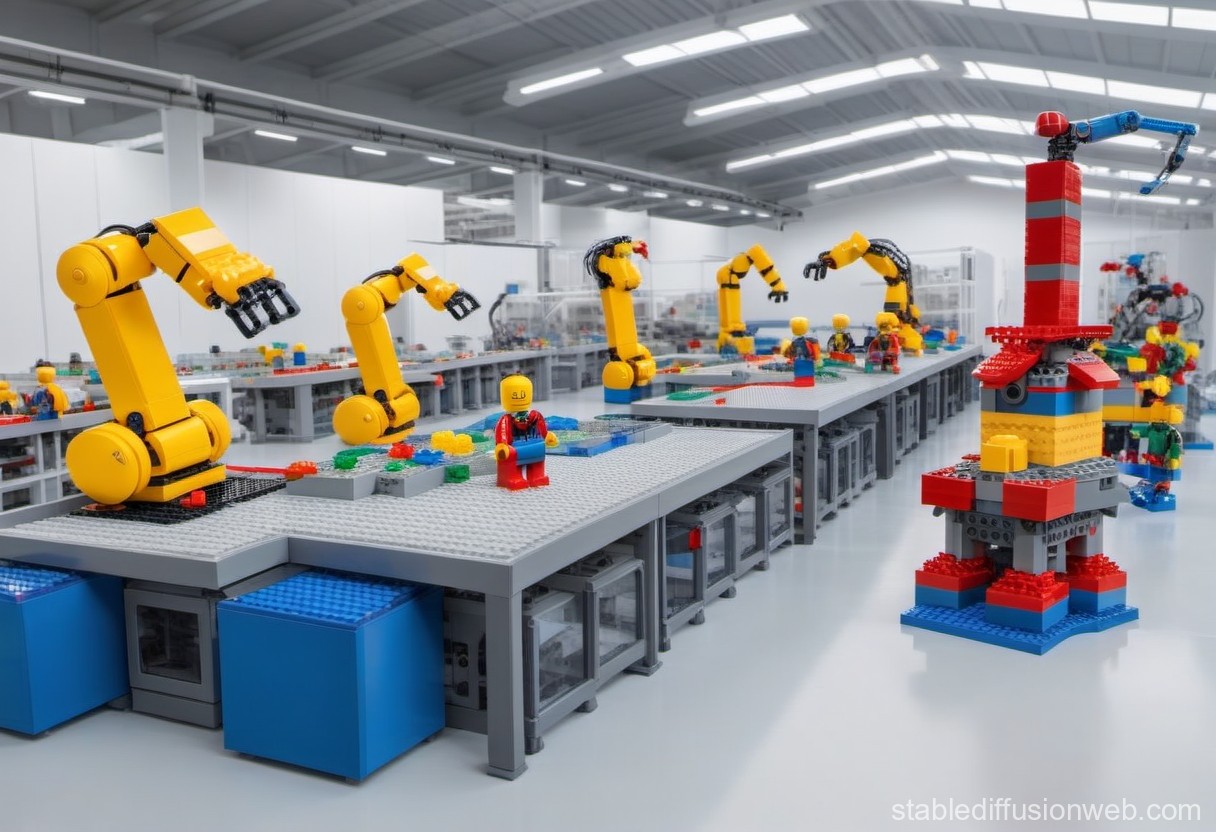
3. Robots in Design and Prototyping
Robots are also making inroads into the design and prototyping stages at Lego. In the design phase, computer - aided design (CAD) software, which can be integrated with robotic systems, helps designers create 3D models of new Lego sets. These models can then be used to guide robotic arms to create physical prototypes. This not only speeds up the prototyping process but also allows for more complex and innovative designs to be realized. For example, a new Lego set inspired by a movie might require unique and detailed pieces, and robots can help bring these concepts to life more efficiently.
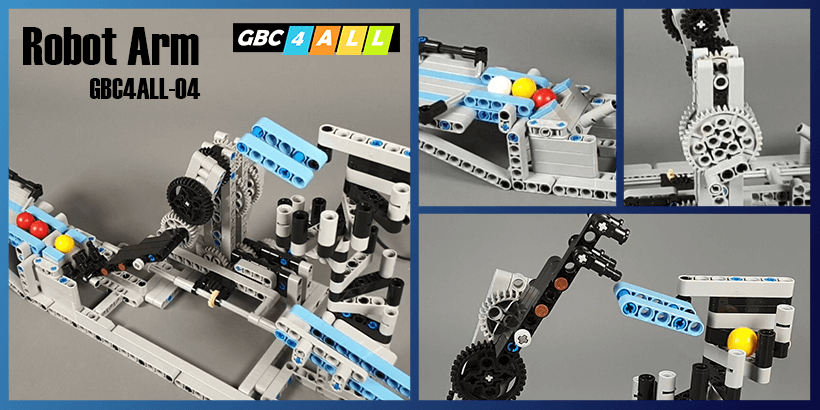
4. Educational and Marketing Uses of Robots
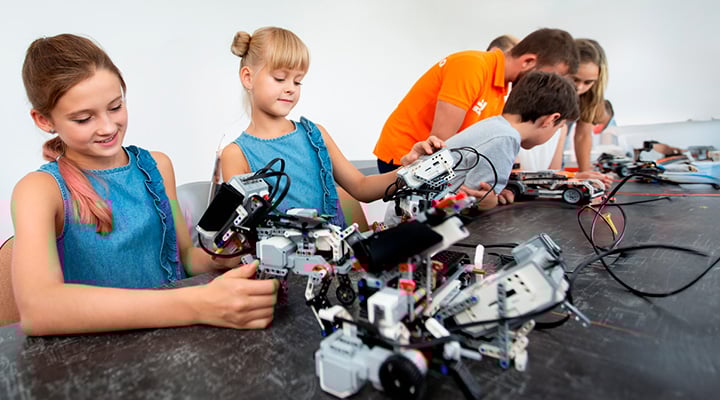
Beyond the factory, Lego has also incorporated robots into its educational and marketing initiatives. In educational settings, Lego offers robotics kits that allow students to build and program their own robots using Lego bricks. This hands - on approach helps teach concepts such as engineering, programming, and problem - solving. In terms of marketing, Lego has used robotic displays in stores and exhibitions. These displays feature robots building Lego structures, attracting the attention of customers and demonstrating the brand's innovative spirit.
In conclusion, Lego most definitely uses robots in multiple aspects of its business, from manufacturing to education. As technology continues to evolve, we can expect to see even more innovative uses of robots in the world of Lego, further enhancing the brand's ability to create, produce, and inspire.
Comment