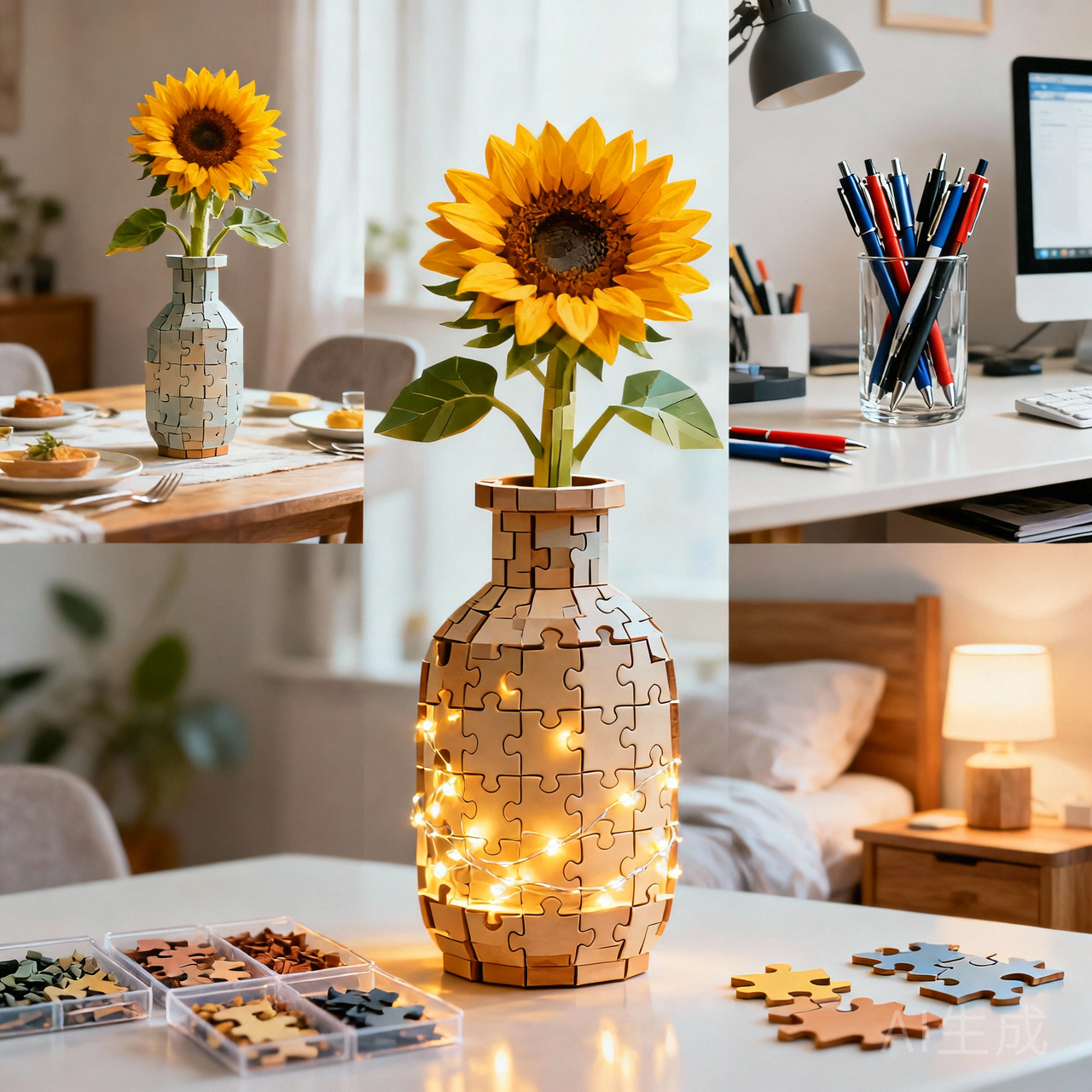
Do Puzzles Boost Brain Power? The Science of Cognitive Training
Jan 06,2025 | uFunSpace
From jigsaw puzzles spread across the kitchen table to challenging Sudoku during your morning commute, puzzles have long been a beloved pastime. But beyond mere entertainment, many wonder: Do puzzles actually benefit the brain? Recent neuroscience and cognitive psychology research offers compelling evidence that engaging with puzzles—whether they’re word games, logic puzzles, or spatial challenges—provides measurable cognitive advantages at every life stage. Let’s dive into how these mental workouts shape our brains.
1. Puzzles as a Full-Brain Workout
Puzzles act like a gym for your nervous system, stimulating multiple brain regions simultaneously:
- Logic & Reasoning (e.g., Sudoku, Math Puzzles): Activate the prefrontal cortex, the brain’s "control center" responsible for decision-making, problem-solving, and working memory. A 2021 study in Nature Human Behaviour found that regular Sudoku players showed enhanced activity in this area, improving their ability to break down complex problems into manageable steps.
- Spatial Awareness (e.g., Jigsaw Puzzles, Mazes): Engage the parietal and occipital lobes, which process visual information and spatial relationships. Assembling a jigsaw puzzle, for example, requires mentally rotating pieces and recognizing patterns—skills directly linked to improved spatial reasoning, a key component of STEM aptitudes.
- Language Skills (e.g., Crosswords, Anagrams): Strengthen the left hemisphere’s language networks, enhancing vocabulary, semantic memory, and verbal fluency. A 2019 study in Aging Neuroscience revealed that lifelong crossword enthusiasts had faster word-retrieval speeds and higher verbal intelligence scores compared to non-puzzlers.
These diverse mental challenges create a "cognitive reserve"—a buffer against age-related decline by building new neural connections and reinforcing existing ones.
2. The Neuroplasticity Advantage: How Puzzles Rewire Your Brain
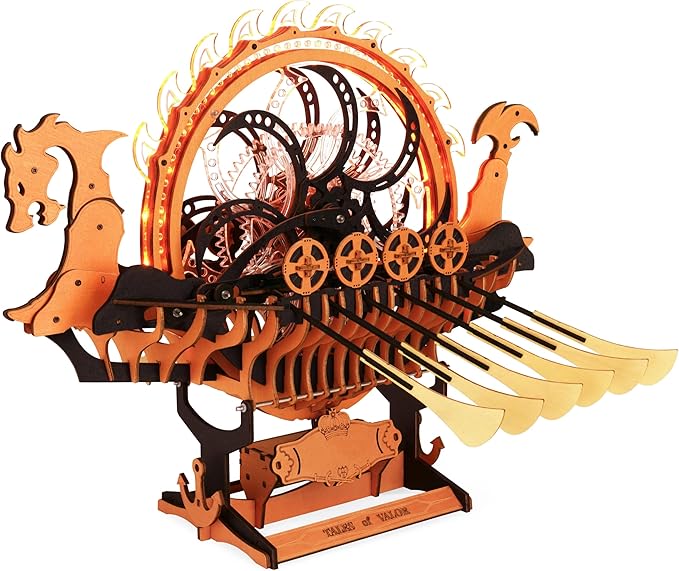
One of the brain’s most remarkable features is neuroplasticity—its ability to adapt and reorganize through experience. Puzzles exploit this trait at every age:
- Children (3–12 years): Early puzzle play accelerates brain development. A 2018 study in Developmental Science found that 5-year-olds who solved shape-matching puzzles had more efficient neural pathways in the occipital lobe, linked to better visual processing skills.
- Adults (18–65 years): Regular puzzling can counteract the cognitive slump of daily routines. A 2020 experiment at University College London showed that adults who completed 20-minute puzzle sessions 3 times a week improved their reaction times by 19% and working memory capacity by 15% over 12 weeks.
- Older Adults (65+): Puzzles serve as a powerful anti-aging tool. Research in The New England Journal of Medicine (2022) associated frequent puzzle use with a 25% lower risk of developing mild cognitive impairment, likely by stimulating the hippocampus, a region critical for memory and learning.
3. Beyond IQ: Hidden Benefits of Puzzling
While puzzles may not drastically raise your IQ score, their benefits extend to other critical cognitive and emotional domains:
- Stress Reduction: Solving puzzles triggers a meditative state, reducing cortisol (stress hormone) levels by up to 40%, according to a 2017 study in Frontiers in Psychology. This makes puzzles an ideal antidote to modern screen fatigue.
- Improved Focus: Unlike scrolling social media, puzzles demand sustained attention. A 2023 report from the American Psychological Association found that individuals who spent 30 minutes daily on puzzles experienced a 22% increase in their ability to block out distractions.
- Enhanced Metacognition: Puzzles teach you to "think about thinking." When you retry a failed Sudoku strategy or reorganize puzzle pieces, you’re honing metacognitive skills—essential for adapting to real-world challenges.
4. How to Maximize Puzzle Benefits: Tips for Every Lifestyle
To get the most from your puzzling habit, tailor your approach to your needs:
- Choose Variety: Mix puzzle types (e.g., alternate between crosswords and jigsaws) to engage different brain networks. Monotony reduces neural stimulation, while variety keeps your brain adaptable.
- Embrace the Challenge (But Stay Balanced): Opt for puzzles that feel "comfortably difficult"—not too easy to bore you, not too hard to frustrate. A 5–15% failure rate is ideal for promoting growth without demotivation, according to cognitive scientists.
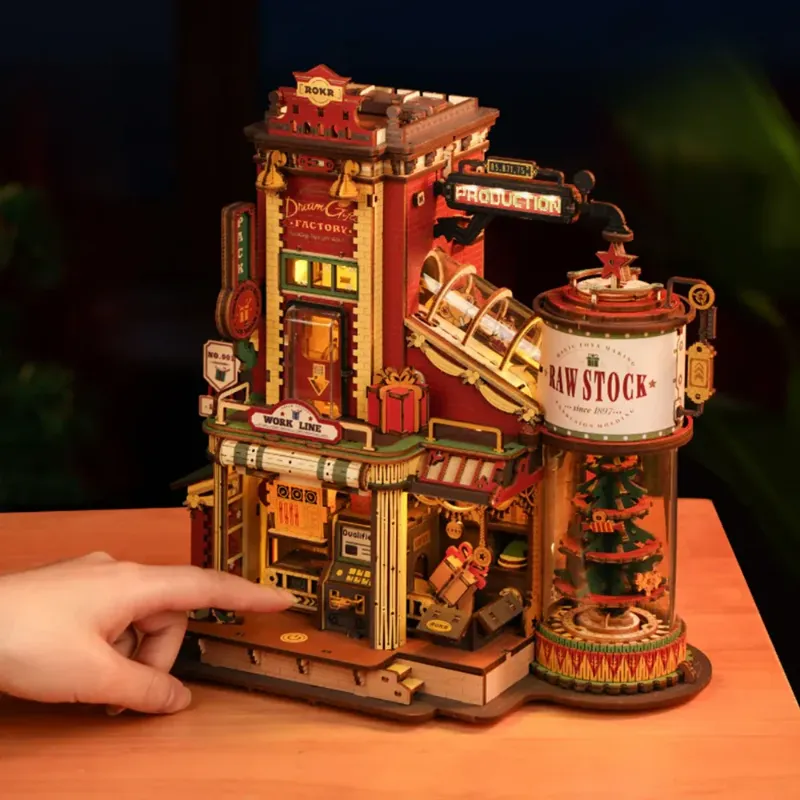
- Go Analog (Sometimes): While digital puzzles offer convenience, physical puzzles—like wooden jigsaws or pencil-and-paper crosswords—provide tactile feedback that enhances memory retention. A 2016 study in Memory found that people remembered puzzle solutions better when they’d solved them on paper.
- Make It Social: Group puzzles (e.g., escape room-style games or family jigsaws) add a social layer, boosting oxytocin levels (the "bonding hormone") and enhancing collaborative problem-solving—double the brain benefits.
5. Debunking Myths: What Puzzles Can’t Do (Yet)
While the evidence is strong, it’s important to set realistic expectations:
- Puzzles aren’t a cure for dementia. They reduce risk and slow decline but should be part of a holistic lifestyle (including exercise, a healthy diet, and social interaction).
- They won’t make you a genius overnight. Cognitive improvements are gradual and cumulative, requiring consistent practice.
- Not all puzzles are equal. Aim for those that require active problem-solving—avoid mindless games that rely on luck or repetition.
Conclusion: Puzzles—A Smart Investment in Your Brain
So, are puzzles good for your brain? The science says a resounding yes. Whether you’re a parent hoping to boost your child’s learning abilities, a professional seeking to stay sharp, or a senior aiming to maintain independence, puzzles offer a low-cost, high-reward way to exercise your mind. Think of them not just as games, but as a proactive strategy to build cognitive resilience, one clue or puzzle piece at a time.
Ready to start? Pick a puzzle that sparks your curiosity—your brain will thank you for it.
Have you noticed changes in your focus or mood after puzzling? Share your experiences in the comments!🚀
Comment