Building Foundations: How Blocks Support Early Math Skills for Kids
Apr 01,2025 | uFunSpace
Mathematics is the foundation of logic, creativity, and problem-solving. Yet, for many children, math can feel abstract and intimidating. The key to fostering early math skills lies in play-based learning, particularly through building blocks. This blog explores how block play helps children develop essential math concepts like counting, geometry, balance, and symmetry—making math fun, engaging, and accessible from an early age.
1. Counting: The First Step in Early Math Development
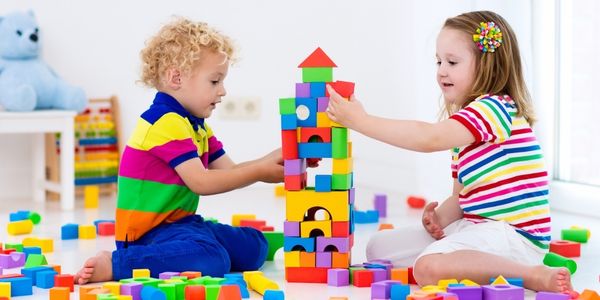
Before children can add or subtract, they must master counting. Building blocks provide a hands-on way to practice:
-
Number Recognition: As kids stack blocks, they naturally count aloud ("One, two, three…").
-
Sorting & Classification: Grouping blocks by color, size, or shape introduces early data organization skills.
-
Pattern Recognition: Arranging blocks in sequences (e.g., red-blue-red-blue) builds pre-algebraic thinking.
By integrating counting into play, children develop a strong numerical foundation without pressure.
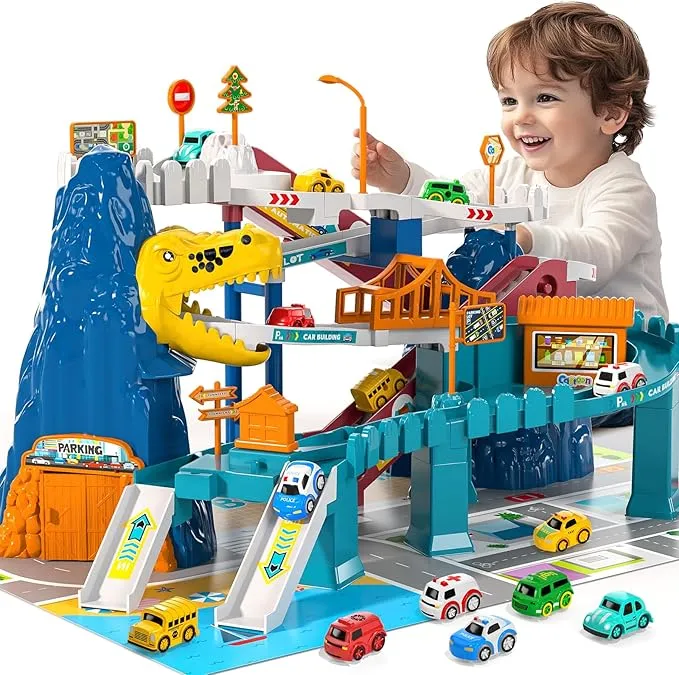
2. Geometry: Learning Shapes & Spatial Reasoning Through Blocks
Geometry is all about shapes, sizes, and spatial relationships—and blocks are the perfect teaching tool.
-
2D vs. 3D Shapes: Children learn that squares can form cubes and triangles can create pyramids.
-
Spatial Awareness: Fitting blocks together helps kids understand dimensions, symmetry, and problem-solving.
-
Early Engineering Skills: Building bridges or towers teaches structural stability and design principles.
This hands-on exploration makes abstract geometric concepts tangible for young minds.
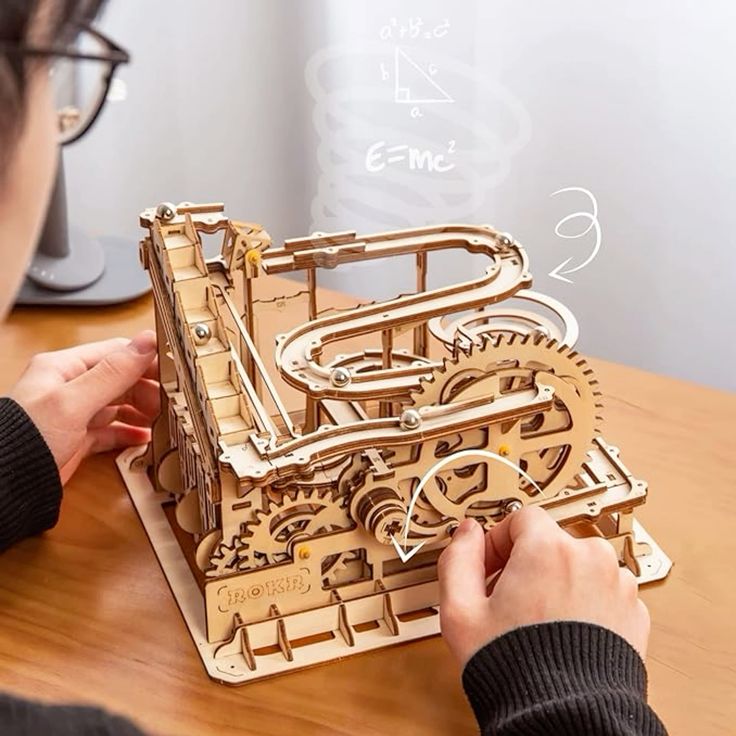
3. Balance: A Hands-On Lesson in Math & Physics
Every child has experienced a block tower toppling over—but this failure is a valuable math lesson!
-
Weight Distribution: Kids learn that a wider base creates stability, just like in real-world engineering.
-
Trial & Error: Adjusting block placement teaches problem-solving and hypothesis testing.
-
Introduction to Equations: Balance is the foundation of algebraic thinking (e.g., "If one side is heavier, how do we fix it?").
These playful experiments build critical thinking skills that translate to higher-level math.
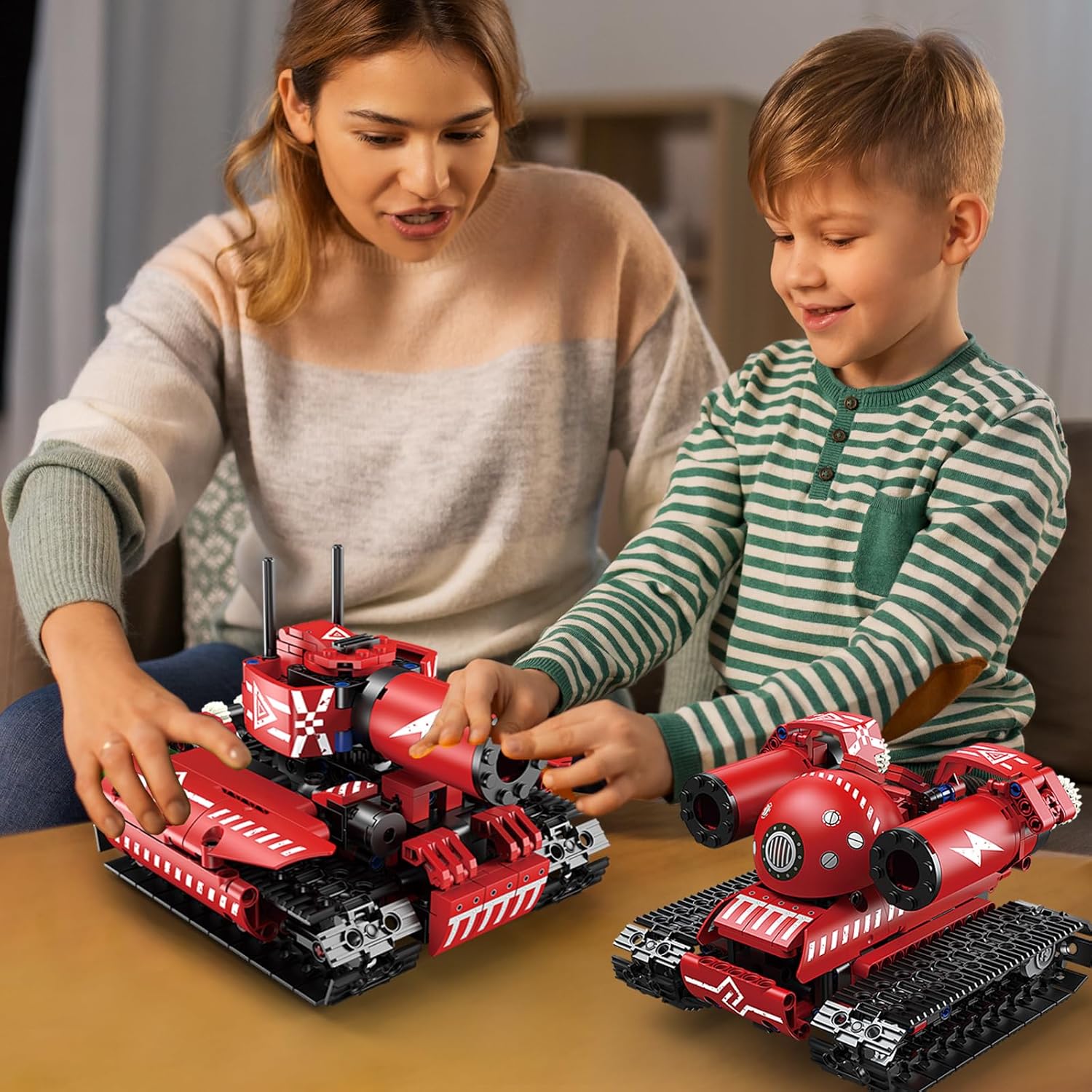
4. Symmetry: The Art of Mathematical Patterns
Symmetry is a core math concept found in nature, art, and architecture. Block play makes it easy to understand:
-
Mirror Image Learning: Children create identical structures on both sides, reinforcing bilateral symmetry.
-
Pattern Repetition: Building symmetrical designs introduces sequences and predictability in math.
-
Aesthetic Awareness: Kids recognize that symmetry creates visually pleasing structures, linking math to creativity.
This early exposure helps children grasp more complex mathematical patterns later in school.
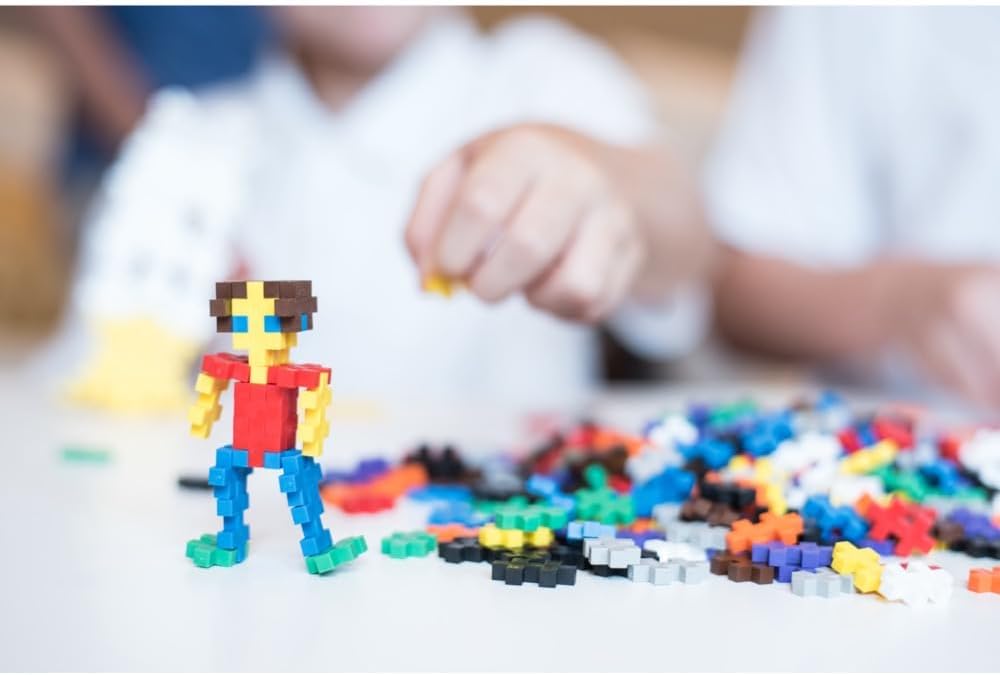
5. Building Confidence in Math Through Play
Many children develop math anxiety because they see it as rigid and difficult. Block play changes that by:
✅ Making Math Fun – Kids learn without realizing they’re doing "math."
✅ Encouraging Experimentation – There’s no "wrong" way to play with blocks.
✅ Boosting Problem-Solving Skills – Each structure is a mini-math challenge.
When children associate math with creativity and success, they develop a positive mindset toward learning.
Why Blocks Are Essential for Early Math Success
Building blocks are more than just toys—they’re powerful educational tools that teach:
🔹 Counting & Number Sense
🔹 Geometry & Spatial Reasoning
🔹 Balance & Problem-Solving
🔹 Symmetry & Patterns
By incorporating block play into early learning, parents and educators can build a strong math foundation while keeping kids engaged. The best part? Children won’t even realize they’re learning—they’ll just be having fun!
Want to Boost Your Child’s Math Skills? Try These Block Play Ideas!
-
Counting Towers – Challenge kids to build the tallest tower while counting each block.
-
Shape Sorting – Ask them to group blocks by shape or color.
-
Symmetry Challenge – Build one side of a structure and have them mirror it.
-
Balance Experiment – See who can create the most stable structure.
Let the building begin! 🚀
Comment